Do I Qualify for SNAP Benefits? 2026 Eligibility Guide
SNAP eligibility explained: income limits, household rules, and how to tell if you qualify for food stamps
If you're wondering whether you qualify for SNAP, you're not alone, and the confusion you're feeling is normal. The rules use words like "gross income," "household," and "able-bodied adult," and nobody explains what they actually mean for you. So let's keep this plain. Here's how SNAP eligibility works, and how to tell if you're likely to qualify.
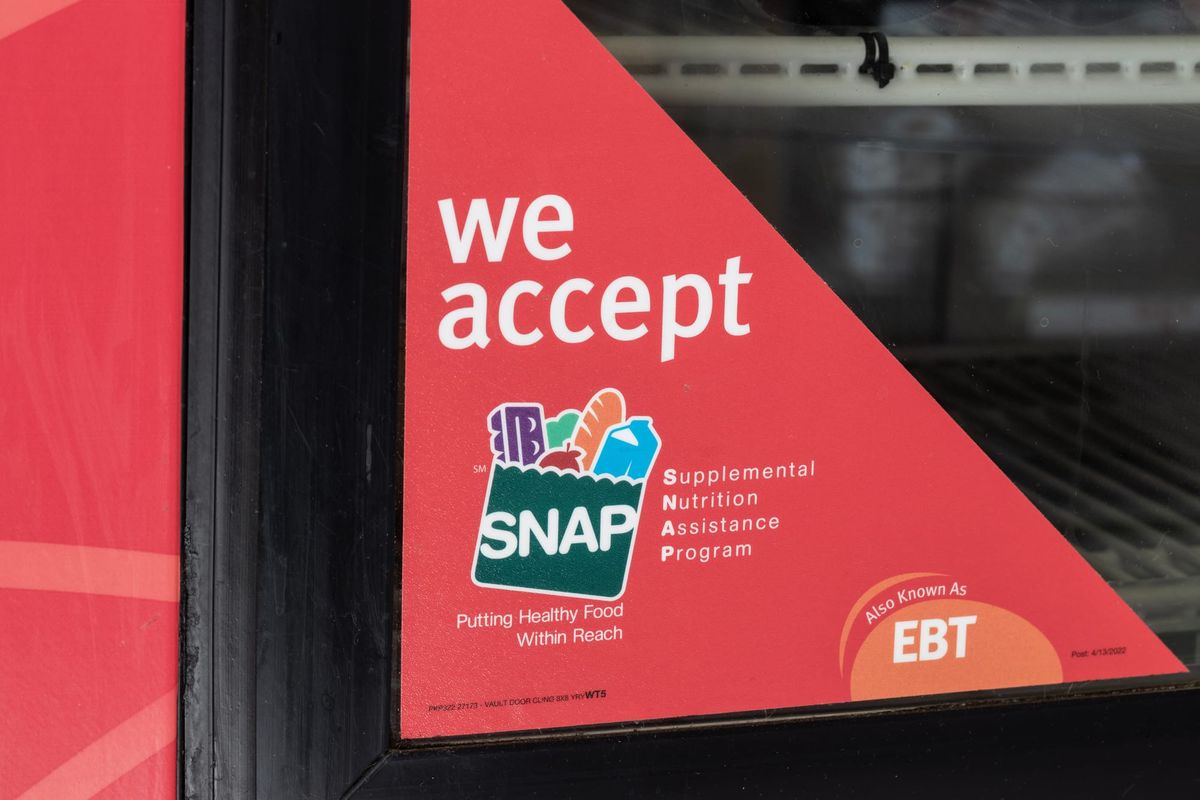
SNAP stands for the Supplemental Nutrition Assistance Program. Most people still call it food stamps. It puts money on a card each month to help you buy groceries. Whether you qualify comes down to a few things: how much money your household brings in, how many people live with you, what you own, and, for some adults, whether you're meeting a work rule.
What counts as your household?
Your household is the group of people who live together and buy and make food together. That's usually you, your spouse, and your kids. Roommates who buy and cook their own food separately don't count as part of your household, even if you share a kitchen.
Household size matters because the income limits go up as your household gets bigger. A single person has a lower limit than a family of four. So before you check the income numbers, count everyone who shares food with you.
What are the SNAP income limits for 2026?
For most households, your gross monthly income has to be at or below 130% of the federal poverty level. Gross income means all the money coming in before anything gets taken out: paychecks, Social Security, unemployment, child support, and so on.
Here are the gross monthly income limits for October 2025 through September 2026, for the 48 states and Washington, D.C. (USDA):
People in your household | Gross monthly income limit |
|---|---|
1 | $1,696 |
2 | $2,292 |
3 | $2,888 |
4 | $3,483 |
5 | $4,079 |
Each extra person | Add $596 |
If your income is at or under the number for your household size, you're likely within the income limit. If you're a little over, don't stop there. SNAP also looks at your net income, which is what's left after certain costs like rent, utilities, and some medical bills get subtracted. Those deductions can bring you under the line even when your gross income looks too high.
One more thing. If someone in your household is 60 or older, or has a disability, the rules are different and often more generous. That household doesn't have to meet the gross income limit, only the net income limit.
Do savings or a car count against you?
For most households, yes, but the limits are higher than people expect. You can have up to $3,000 in countable resources, like cash or money in a bank account, and still qualify. If someone in your household is 60 or older, or has a disability, that limit goes up to $4,500 (USDA).
Some things don't count at all. Your home doesn't count. Retirement accounts usually don't count. And most states don't count your car. Many states have dropped the savings test entirely, so where you live changes the answer. Don't assume a savings account or a vehicle rules you out.
What changed about SNAP work requirements in 2026?
This is the part that's caught a lot of people off guard. A federal law signed on July 4, 2025, expanded the work rules for a group called able-bodied adults without dependents.
Here's what changed. The rule used to apply to adults ages 18 through 54. Now it applies to adults ages 18 through 64. If you're in that age range, don't have a child under 14 at home, and don't qualify for another exemption, you have to work or do a qualifying activity for at least 80 hours a month, which works out to about 20 hours a week (USDA).
You can meet those hours in more ways than a regular job. Volunteering counts. Approved job training counts. So does workfare, where you work in exchange for your benefits. A job search by itself usually doesn't count unless it's part of a training program. If you have to meet this rule and you don't, your benefits can stop after three months.
Some people are exempt from the work rule. You don't have to meet it if you have a disability, are pregnant, are caring for a child under 14, or are medically unfit to work. Veterans, people experiencing homelessness, and young adults who recently aged out of foster care used to be exempt too. Under the new law, those groups now have to meet the work rule unless they qualify another way.
So do you qualify for SNAP?
Run through this quick check:
- Count your household. Everyone who buys and makes food with you.
- Add up your gross monthly income. Compare it to the limit for your household size in the table above.
- Check your savings. Under $3,000, or under $4,500 if someone is 60 or older or has a disability. Remember, many states skip this test.
- Check the work rule. If you're 18 to 64 without a child under 14, are you working or doing a qualifying activity about 20 hours a week, or do you have an exemption?
If you cleared all four, you're likely eligible. If you're close on income or unsure about the work rule, apply anyway. Your state caseworker makes the final call after looking at your full situation, and the deductions often help more than people expect.
FAQs
What if my income is a little over the limit?
Apply anyway. The income table shows the gross limit, but SNAP also looks at your net income after deductions for rent, utilities, childcare, and some medical costs. Those deductions can pull you under the line. The only way to know for sure is to apply and let a caseworker run your numbers.
Do I qualify for SNAP if I get Social Security or disability?
You might. Social Security and disability payments count as income, so they go toward your gross income total. But if you're 60 or older or have a disability, you don't have to meet the gross income limit, only the net income limit, and you can have more in savings. Many people on fixed incomes qualify. If you receive VA disability, our guide on reporting VA disability income for food stamps walks through how that income is counted.
Can I get SNAP if I have money in the bank?
Often, yes. You can have up to $3,000 in countable resources, or $4,500 if someone in your household is 60 or older or has a disability. On top of that, most states have dropped the savings test completely, so a bank account usually won't stop you from qualifying.
How long does it take to get SNAP after I apply?
Most states process applications within 30 days. If you have almost no income and little savings, you may qualify for expedited benefits within 7 days. Ask your local SNAP office about expedited processing when you apply if you need food right away.
What happens if I don't meet the work requirement?
If you're subject to the work rule and don't meet it, your benefits generally stop after three months within a three-year period. You can get them back by meeting the rule for 30 days or by qualifying for an exemption, like a disability or caring for a child under 14.
Your next step today
You don't have to figure out all of this on your own. Counting your household, adding up your income, and reading the work rules is a lot to carry, especially when you're already stretched thin. You can take our free Benefits Scan to do a quick eligibility check.
Before you fill out a single form, you can find out which programs you may qualify for, SNAP and others, with a free benefits scan from Turnout. It takes a few minutes, asks plain questions in plain language, and shows you where you stand. There's no paperwork to get started, and no cost to find out.
If your situation also involves disability or other benefits, the scan can point you there too. You can read more about Social Security Disability benefits while you're at it. Start your free benefits scan today, and get a real answer about what you may be eligible for.